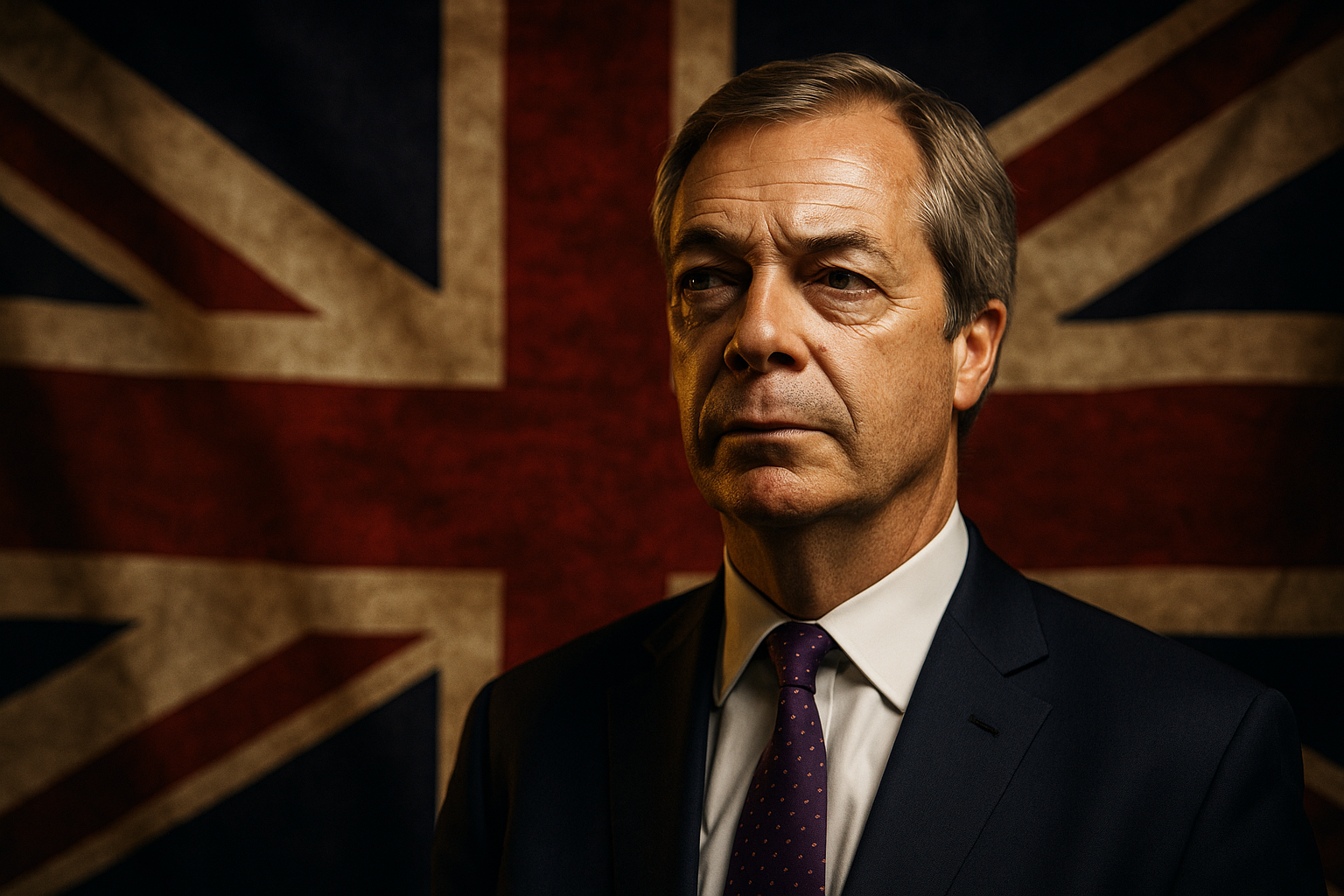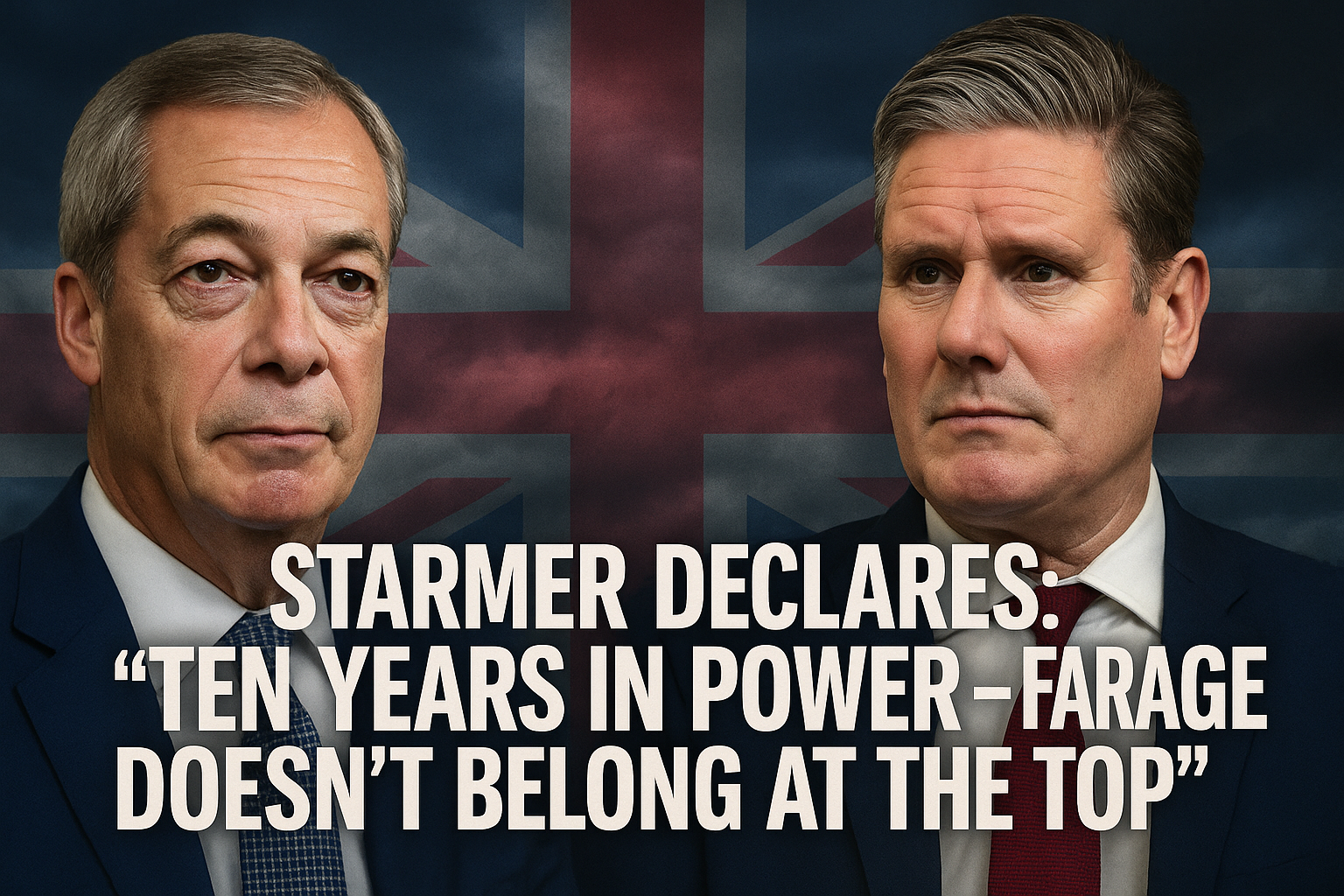
LONDON — Prime Minister Keir Starmer has publicly declared his intention to remain in office for up to ten years, positioning his Labour government as the long-term agent of “national renewal.” At the same time, he launched a direct attack on opposition leader Nigel Farage, stating that Farage “does not belong at the top.”
The Sun+1
The remarks mark one of the most forceful direct confrontations between the two politicians and reflect the intensifying battle for the soul of British politics.
The Key Lines and Timing
Starmer’s comments come amid rising concern within Labour over slipping poll numbers and the growing appeal of Farage’s Reform UK movement. In media interviews and official appearances, Starmer reiterated that his objective is to deliver “ten years of national renewal” and said: “Farage is unfit to lead this country.” The Sun+1
Politically, the move serves several strategic purposes:
- It signals confidence and ambition from Starmer that he intends to govern through at least one full parliamentary term and possibly more.
- It frames Farage not merely as an electoral rival, but as a threat to national governance and stability.
- It helps Starmer draw a clear contrast between his narrative of continuity and renewal, and Farage’s populist, up-for-change appeal.
Why This Is Significant
- Leadership Narrative Takes Centre Stage
By setting a ten-year timeline, Starmer moves the conversation from short-term survival towards long-term leadership. It is a message of strength and staying power – useful when facing internal and external doubts. - Farage’s Rise Forces Labour’s Hand
As Reform UK continues to pull support away from Labour and the Conservatives, Starmer is forced to confront Farage directly. In recent months, he has labelled Farage’s economic and foreign-policy proposals as reckless. Reuters - High Stakes Messaging for the Coming Election
With the next general election anticipated by 2029, Labour is already positioning itself for how it will appeal to voters. Framing Farage as “unfit” sets a challenge for Reform UK: either rebut the characterisation or risk being painted as a risk to governance.
Potential Risks for Starmer
While bold, the approach carries risks:
- By promising a decade in power, Starmer raises expectations for delivery. If major policies falter or economic conditions deteriorate, the “ten-year” ambition could backfire.
- Focusing heavily on Farage could help reform-sympathetic voters consolidate around a clear “anti-Starmer” identity.
- The language is divisive, which may alienate moderate voters who prefer less polarising rhetoric.
Farage’s Response and Reform UK’s Position
Farage and Reform UK have fired back, describing Starmer’s remarks as an attempt to suppress political competition and label dissenters as extremists. In reply, Reform UK argues that its strong performance in local elections signals popular dissatisfaction with the political establishment.
What’s Next? The Battle Lines Are Set
As these two figures dominate the narrative for the next phase of British politics:
- Labour will look to deliver headline reforms and significant policy wins to validate the “ten-year” pledge.
- Reform UK will ramp up campaigning, emphasising change, border control, tax cuts and anti-establishment messaging.
- Media and public attention will shift to how both parties articulate specific visions rather than just character attacks.