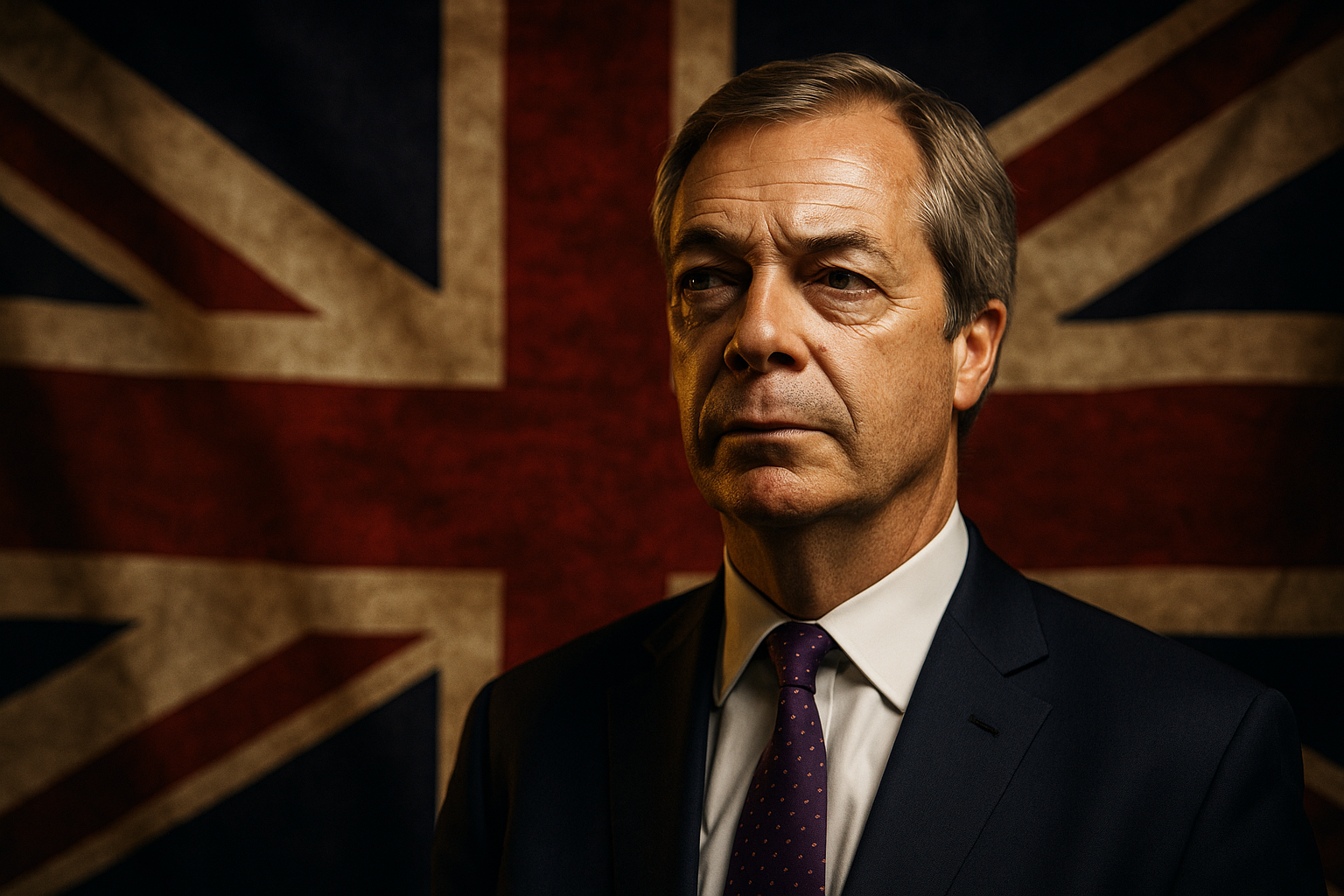
Nigel Farage’s political surge has shifted from a fringe possibility to a scenario that many within the Conservative Party now quietly expect. A new poll reported by The Independent shows that seven in ten Conservative Party members believe the Tories may ultimately end up supporting — or even serving under — a government led by Farage’s Reform UK.
The findings mark one of the most dramatic shifts in modern British politics, signalling a deeper crisis inside the Conservative movement and a rising confidence within Reform UK.
A Political Landscape Under Strain
The fallout from last year’s general election left the Conservatives bruised, divided, and struggling to define their post-defeat identity. While the party continues to battle internal disagreements over immigration, tax, and the future direction of the right, Reform UK has capitalised on the vacuum.
Farage’s message — a blend of anti-establishment rhetoric, hardline immigration promises, and criticism of both Labour and the Tories — has resonated strongly with a disillusioned conservative base.
Polling across major outlets shows Reform consistently scoring high double-digits, a level once unthinkable for a new party.
Politically, this isn’t just an upward trend — it’s a structural shift.
Why Tory Members Expect a Reform-Led Government
According to the reports referenced by The Independent, Conservative members gave several reasons for believing Farage may eventually take the lead:
1. The Conservative Party’s Identity Crisis
After years of internal battles, leadership turmoil, and shifting policy positions, many lifelong Tory voters no longer recognise the party they once supported. For them, Farage represents ideological clarity — even if controversial.
2. Reform UK’s Rapid Growth
Reform’s membership numbers, fundraising strength, and online engagement have risen sharply. Media coverage from BBC News, Politico, and The Guardian consistently highlights the party’s expanding infrastructure and ability to mobilise frustrated voters.
3. Farage’s Influence on the National Debate
Farage continues to dominate conversations on immigration, Brexit legacy issues, and the direction of the right. His criticism of recent government failures, as well as his vocal stance on issues like Ukraine and the economy, has kept him at the centre of public attention.
4. Strategic Calculation
Many Tory members believe that a fragmented right-of-centre vote guarantees continuing Labour dominance — unless the Conservatives and Reform eventually cooperate.
This polling suggests a growing acceptance that cooperation may mean Farage setting the terms, not the Tories.
Pressure Mounts as Tory Leadership Faces the Future
Senior Conservative figures are reportedly alarmed. A party that once commanded over 40% of the national vote now faces the prospect of becoming a secondary force. Analysts quoted in BBC and Guardian coverage suggest that the Tories may be forced to choose between reinventing themselves or entering some form of alliance with Reform.
Some MPs worry that aligning with Farage could alienate centrist voters; others fear that refusing to work with him could split the right for a generation.
Farage, for his part, has made his ambition clear.
He wants influence — not cooperation on someone else’s terms.
Farage’s Rise and the Russia Allegation Storm
Farage’s growing popularity comes despite ongoing scrutiny related to accusations involving a major Reform donor and alleged Russian financial links, as reported by The Guardian.
While Farage denies wrongdoing and has dismissed the allegations as politically motivated, the scrutiny has not slowed his polling momentum.
If anything, the investigations have heightened his anti-establishment appeal.
What a Reform-Led Government Could Mean for the UK
Political analysts suggest several policy shifts would define a Farage-led coalition or minority government:
- Dramatically tougher immigration rules
- A push for a tax-and-regulation overhaul
- A confrontational stance toward EU policy and international agreements
- Cuts to government spending aligned with Reform’s alternative budget proposals
- More aggressive rhetoric on law and order
Economists remain divided on the long-term implications. The broader public is, too — hence the intense engagement around polls like the one driving today’s debate.
A Turning Point in British Politics?
This latest polling is more than a statistic. It signals a historic realignment on the right of British politics:
- The Conservative base is fracturing.
- Reform UK has transformed from a pressure group into a potential governing force.
- Farage, once dismissed as a provocateur, now sits at the centre of the country’s political future.
Whether this shift represents renewal, crisis, or a new chapter entirely will depend on how both parties respond — and whether voters continue driving Reform’s momentum forward.