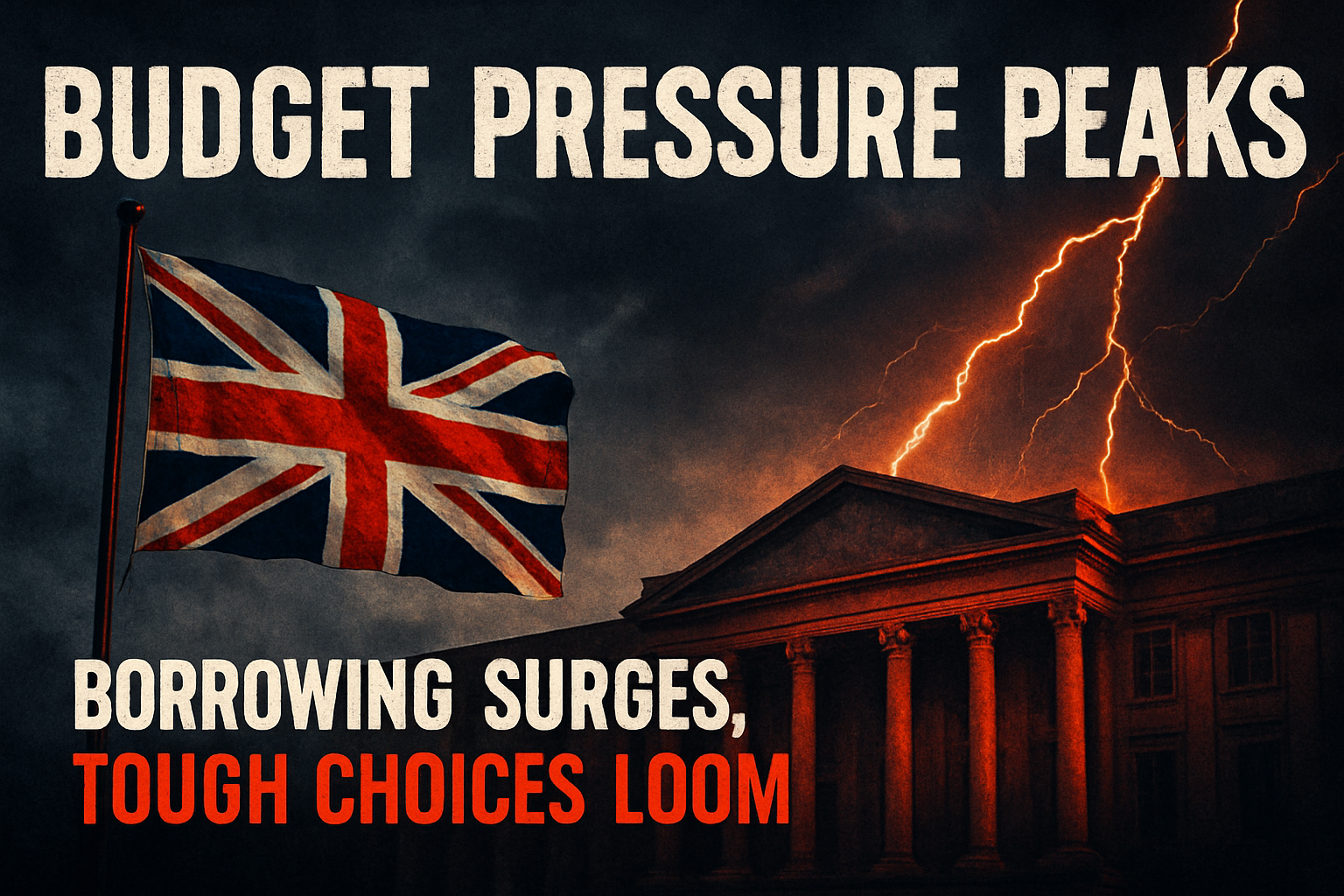
In a tense prelude to the upcoming Budget, UK Chancellor Rachel Reeves is navigating what many analysts describe as the most critical fiscal juncture of her career. Borrowing reached a startling £17.4 billion in October, marking one of the largest deficits in recent years and leaving the Labour government under mounting pressure to define a clear economic path.
Reeves, speaking ahead of the Budget, admitted publicly that she was “not even sure what the popular path is” — a candid acknowledgment of the policy squeeze she faces amid competing demands for tax relief, public sector investment, and inflation suppression.
Economic Headwinds and Political Stakes
The UK economy is under strain: inflation remains elevated, growth is sluggish, and borrowing is ballooning. For Reeves and the Labour Party, the upcoming Budget is more than a fiscal exercise — it’s a referendum on competence and direction.
In the background stands the opposition Conservative Party, ready to capitalise on any misstep. With public confidence fragile, the political cost of getting it wrong is high.
The Tightrope: Tax Cuts vs Public Investment
Reeves must decide whether to pursue tax cuts — which would be politically popular but fiscally challenging — or to invest further in public services, which could risk public backlash if funding remains opaque or borrowing continues to grow.
Economists warn that maintaining current levels of borrowing while delivering multi-billion incentives risks undermining long-term stability. Meanwhile, voters are increasingly vocal — leaning into social media and headline news to demand clarity.
Why This Budget Matters
1. Public Sentiment: The British electorate is jittery. As one Labour source admitted, the public “wants results, not excuses”.
2. Market Confidence: Investors monitor UK fiscal credibility closely. A misjudged Budget could ripple across global perceptions of UK debt.
3. Political Momentum: For Reeves and Labour, the Budget sets the tone for the next parliamentary term. Any policy void or misalignment could embolden opposition critics.
What to Watch
- Major announcements: Will Reeves unveil tax relief, or will she prioritise fresh public-service spending?
- Borrowing signals: Any reduction in projected borrowing will be seen as a win.
- Reaction from business and markets: Their responses often shape public confidence post-Budget.
Conclusion
As the UK waits, the Budget isn’t just a financial statement — it’s a moment of reckoning. Rachel Reeves faces not just economic numbers, but political legacy. The choices she makes now could define both the country’s direction and her own.
Source reference: Updated live coverage from the UK political scene as featured in The Guardian’s live political briefing.